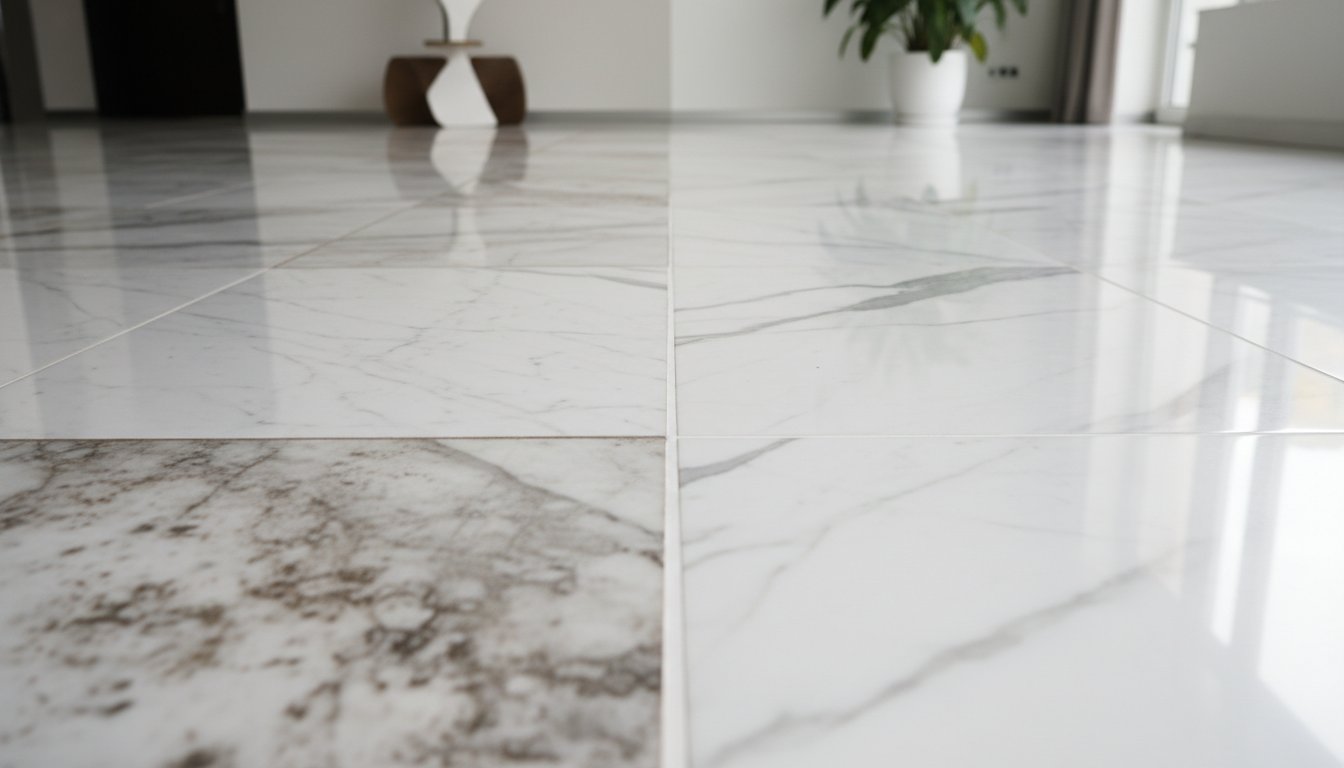
Even the most luxurious tiles can appear dated and unclean when framed by discoloured, stained grout. Regular mopping and scrubbing in the UAE often fail to rectify the deep-seated grime and mildew that accumulate, leaving surfaces looking perpetually worn. The primary challenge is selecting a professional-grade grout cleaner and application method that restores brilliance without causing irreversible damage to your specific tile type, a misstep that can lead to a costly replacement project far exceeding the initial cleaning cost in AED.
This definitive guide provides the technical clarity required to address this problem effectively. We will detail the most effective types of cleaners for various surfaces, from robust ceramic to delicate marble, ensuring you can make an informed, safe choice. You will learn the correct techniques to restore your grout to its original condition and understand the critical indicators for when professional intervention is the most cost-effective solution. Our goal is to equip you with the knowledge to achieve a flawless finish and maintain the pristine appearance of your tiled surfaces.
Understanding Grout: Why It Gets Dirty in the First Place
Grout serves a critical function beyond aesthetics; it fills the gaps between tiles, locking them in place and preventing moisture from seeping into the substrate. However, its composition is also its primary vulnerability. A technical Understanding Grout reveals that most common types are cement-based, making them inherently porous. This porosity is the root cause of discoloration, as the grout lines absorb dirt, liquids, and bacteria, making the choice of an effective grout cleaner essential for proper maintenance.
Common culprits behind stained and unhygienic grout include:
- Soap Scum: A combination of soap, minerals, and body oils that creates a resilient film in showers and bathrooms.
- Mildew & Mould: Fungi that thrive in damp, warm environments, leading to black or green stains and potential health concerns.
- Spills & Stains: Coffee, wine, oil, and other liquids that penetrate porous grout in kitchens and living areas.
- Foot Traffic: Dirt, dust, and grime ground into grout lines in high-traffic hallways and entryways.
The Porous Nature of Cementitious Grout
Traditional cementitious grout, the standard for most residential and commercial properties in the UAE due to its cost-effectiveness, acts much like a sponge. It readily absorbs moisture and grime. When grout is unsealed or its sealant has degraded, these substances penetrate deep into the material. This leads to stubborn, deep-set stains that are challenging to rectify with standard cleaning products alone and often require a professional-grade grout cleaner or restoration service.
Epoxy Grout vs. Cementitious Grout
In contrast, epoxy grout is a non-porous alternative formulated with specialist resins. Its superior stain and chemical resistance makes it the preferred choice for demanding environments like commercial kitchens, hospitals, and laboratories. While it effectively repels most staining agents, it is not entirely maintenance-free. Surface-level grime can still accumulate, requiring periodic cleaning, albeit with less aggressive methods than its cement-based counterpart.
Environmental Factors in the UAE
In the United Arab Emirates, specific environmental conditions accelerate grout degradation. The region’s persistent high humidity creates an ideal breeding ground for mould and mildew. Furthermore, fine desert sand and dust are easily carried indoors and can become embedded in porous grout surfaces, causing a dull, dirty appearance that is difficult to remove. Proper ventilation, particularly in bathrooms and kitchens, is a critical first step to mitigate these issues.
Types of Grout Cleaners: Choosing the Right Solution for Your Surface
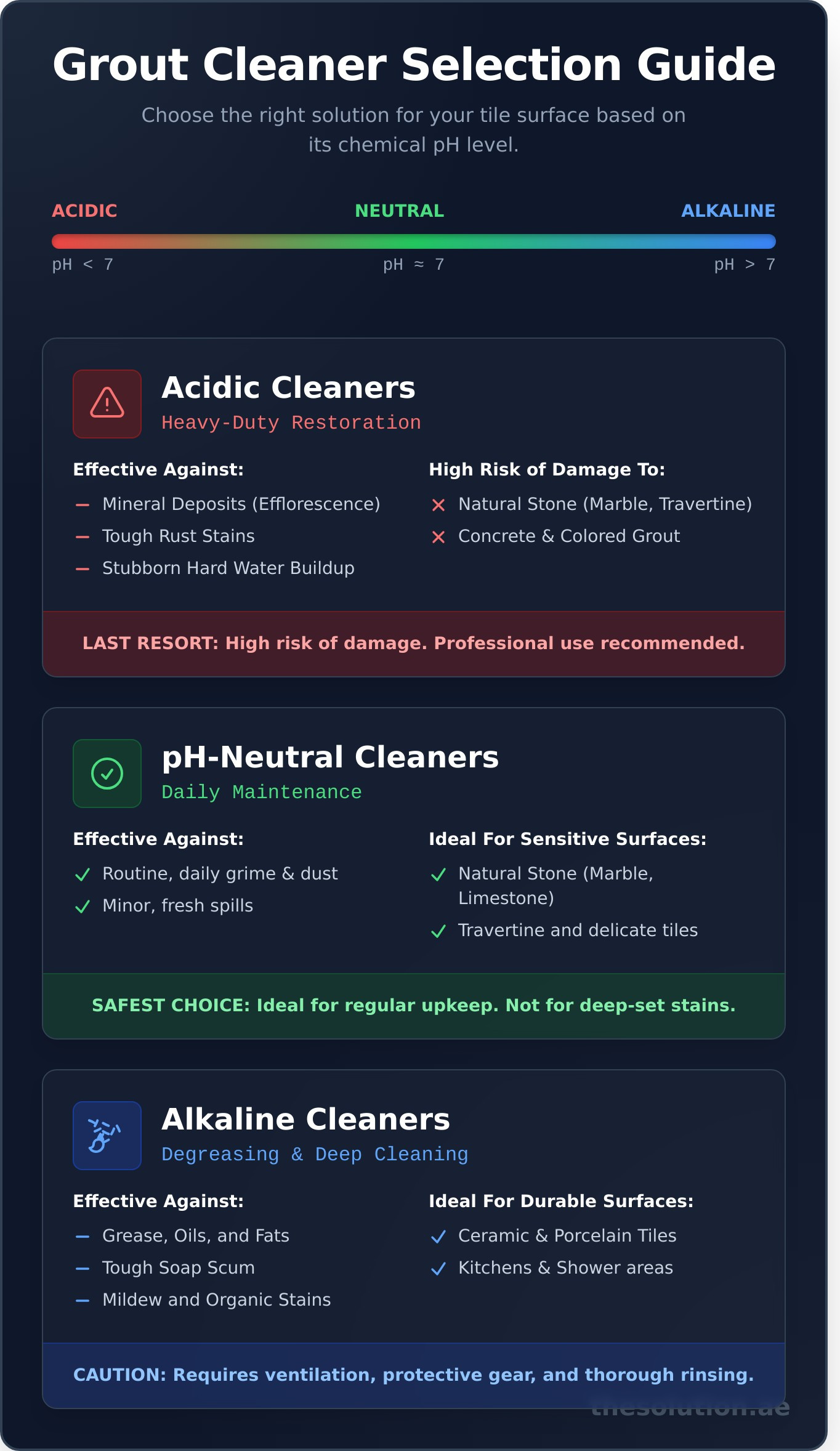
Selecting the correct grout cleaner is not a matter of preference; it is a technical requirement for preserving the integrity and appearance of your tiled surfaces. Cleaners are formulated based on their pH level, and the right choice is dictated by your specific grout type and, crucially, the tile material it surrounds. Using an inappropriate chemical solution can lead to etching, discoloration, and structural damage, necessitating costly restoration work. This guide categorizes the primary types of cleaners to help you make an informed, damage-free decision.
pH-Neutral Cleaners
For routine maintenance and light cleaning, pH-neutral formulas are the safest and most effective option. These cleaners are engineered to lift daily grime, dust, and minor spills without altering the surface chemistry of sensitive materials. They are the required choice for natural stone tiles such as marble, travertine, and limestone, which are highly susceptible to damage from acidic or highly alkaline solutions. While excellent for regular upkeep, they are not formulated to tackle deep-set stains or heavy buildup.
Alkaline Cleaners (Degreasers)
When dealing with organic stains like grease, soap scum, or mildew, an alkaline grout cleaner is the appropriate tool. With a pH level above 7, these solutions are highly effective at breaking down and dissolving oils and fats. This makes them ideal for kitchens and shower areas with durable ceramic or porcelain tiles. However, caution is necessary during application. It is essential to follow all safety precautions for household cleaners, including ensuring adequate ventilation and wearing protective gear. A thorough rinse with clean water after use is mandatory to neutralize the surface and prevent residue buildup.
Acidic Cleaners
Acidic cleaners are powerful, specialized solutions designed for heavy-duty restoration tasks. They should be considered a last resort for removing mineral deposits (efflorescence), rust stains, and stubborn hard water buildup. It is critical to understand that these cleaners are extremely aggressive and will cause severe, irreversible damage to natural stone, concrete, and certain types of colored grout. Due to the high risk of permanent damage, proficient use of acidic cleaners is often best reserved for trained professionals who can assess the surface and apply the product correctly without compromising the tile or grout.
The Professional Grout Cleaning Method: A Step-by-Step Guide
Achieving a complete restoration of grout lines requires a methodical, professional approach. This process is more intensive than routine cleaning but is essential for rectifying deep-set stains and discolouration. Before commencing, ensure you are equipped with the appropriate safety gear, including chemical-resistant gloves and eye protection, to prevent contact with cleaning agents.
Step 1: Preparation and Surface Clearing
Begin by removing all loose dirt and debris from the tiled surface. A thorough sweep followed by a mop with clean water prepares the area for deep cleaning. Proper ventilation is critical; open windows and use fans to ensure adequate airflow. Finally, test your chosen grout cleaner on a small, inconspicuous area to confirm compatibility and prevent any adverse reactions with your tile or grout.
Step 2: Application and Dwell Time
Apply the cleaning solution directly and evenly onto the grout lines, adhering strictly to the manufacturer’s instructions. Allow the product to sit for the recommended “dwell time,” typically 5-10 minutes. This crucial period permits the active ingredients to penetrate the porous grout and break down embedded grime, oils, and mildew. Do not allow the cleaner to dry on the surface, as this can create a residue that is difficult to remove and may compromise the final result.
Step 3: Agitation and Rinsing
Using a stiff-bristled grout brush, scrub the grout lines with firm, consistent pressure. The mechanical agitation works in tandem with the chemical cleaner to lift stubborn stains. It is imperative to avoid wire or metal brushes, as these will scratch the surrounding tiles and can permanently damage the grout itself. Once scrubbed, rinse the entire area thoroughly with clean water to neutralise and remove all chemical residues.
Step 4: Drying and Sealing
Allow the surface to dry completely, which can take up to 24 hours depending on humidity and ventilation. This final step is non-negotiable for long-term protection: applying a high-quality grout sealer. The sealer penetrates the grout and creates an impermeable barrier, protecting it from future moisture intrusion, stains, and dirt buildup. This preventative measure significantly extends cleaning intervals and preserves the restored appearance of your flooring.
While this method delivers exceptional results, it is labour-intensive. For large-scale commercial properties or complex restoration challenges, specialist intervention ensures efficiency and superior outcomes. Discover how our professional surface restoration services can provide a cost-effective solution for your facility at thesolution.ae.
When Grout Cleaner Fails: Signs You Need Professional Restoration
While diligent cleaning can maintain the appearance of your tiled surfaces, there are instances where even the most effective grout cleaner is insufficient. Certain issues go beyond surface-level dirt and indicate deeper problems that require professional intervention. Attempting to scrub away these signs can be ineffective and may even worsen the underlying damage. Recognising when to transition from DIY cleaning to professional restoration is key to protecting your investment and achieving a lasting, high-quality finish.
If your efforts are yielding no results, it is time to assess for signs of more significant damage. These issues are not a reflection of your cleaning methods but are inherent problems with the grout itself that only specialist techniques can rectify.
Permanent Staining and Discoloration
Grout is inherently porous, meaning liquids and staining agents can penetrate deep into its structure. Once a stain has set deep within the material, no amount of topical cleaning will remove it. Rather than replacing the entire tiled area-a costly and disruptive process-our specialists can apply a professional-grade color seal. This innovative technique not only restores a perfect, uniform color to your grout lines but also creates an impermeable barrier that protects against future stains, making maintenance significantly easier.
Cracked, Crumbling, or Missing Grout
This is a critical structural issue, not a cleanliness problem. Gaps in your grout lines are an open invitation for water to seep behind your tiles, potentially causing extensive and expensive damage to the subfloor and wall structures. This moisture can lead to rot, mould, and compromised structural integrity. The Solution’s technicians are proficient in rectifying this damage by carefully removing the failed material and applying new, high-performance grout to restore the protective seal of your tiled surface.
Persistent Mould and Mildew
If you notice mould or mildew returning to the same spots shortly after cleaning, it is a clear sign that the growth is not just on the surface. Fungal spores can colonise the entire depth of the grout line, making surface treatments a temporary fix at best. The definitive solution is to have a professional remove the affected grout entirely and replace it. This eradicates the problem at its source, ensuring a hygienic and visually pristine result. If cleaning doesn’t work, it’s time for a real fix. Contact The Solution for an assessment.
Achieve a Flawless Finish: Beyond Grout Cleaner
Restoring the pristine look of your tiles begins with selecting the correct products and methods for your specific surface. While a premium grout cleaner and a diligent approach can make a significant difference, there are instances where deep-set stains, permanent discoloration, or physical damage require professional intervention. Recognizing when to escalate from cleaning to restoration is key to protecting your investment and achieving a truly flawless finish.
When standard cleaning fails, replacement often seems like the only option-a costly and disruptive endeavor. The Solution offers a superior, cost-effective alternative. As specialists in rectifying damage to all hard surfaces, we are trusted by leading construction and hospitality clients across the UAE to deliver exceptional results. Our advanced restoration techniques provide significant savings of 50-80% compared to the cost of full replacement, making it the intelligent financial choice.
Don’t settle for tired-looking tiles. Don’t replace, restore. Contact The Solution for expert tile and grout restoration. Allow our highly skilled technicians to renew the integrity and beauty of your surfaces today.
Frequently Asked Questions
What is the best way to clean floor grout in high-traffic commercial areas?
For high-traffic areas, such as hotel lobbies or retail spaces in the UAE, a multi-stage professional approach is required. This involves applying a high-alkaline, professional-grade degreasing cleaner to break down heavy soiling. This is followed by mechanical agitation with a rotary floor machine and specialised brushes. The final step is a thorough hot water extraction to lift all contaminants, ensuring a deep clean without abrasive damage and preparing the surface for critical sealant application.
Can you use a steam cleaner on grout, and is it effective?
Steam cleaning can be effective for sanitising and loosening surface-level dirt. However, its efficacy is limited for the deep-seated stains and grime common in commercial settings. Furthermore, high-pressure steam can damage older or compromised grout and degrade the existing sealant. For a comprehensive and lasting result, we recommend professional chemical cleaning and mechanical scrubbing, which provides a more consistent and restorative outcome than steam cleaning alone.
Why is my freshly cleaned grout still looking dark or patchy?
Patchy or dark grout after cleaning typically indicates one of two issues. First, the grout’s sealant has failed, allowing dirt to penetrate deep into its porous structure where standard cleaning cannot reach. Second, improper cleaning techniques or an ineffective grout cleaner may have left behind chemical residue or simply redistributed the dirt. A professional assessment can determine if the grout requires deep restoration or colour sealing to rectify the issue and achieve a uniform appearance.
How often should grout be professionally cleaned and sealed in a commercial property?
For high-traffic commercial properties in the UAE, we recommend professional grout cleaning and sealing every 12 to 18 months. For lower-traffic areas like office corridors, a 24-month cycle is often sufficient. This proactive approach preserves the floor’s appearance and protects your investment. The same principle of scheduled maintenance applies to the entire workspace; for instance, many businesses rely on recurring office cleaning services long island for general upkeep and specialists like Lake Geneva Carpet Cleaning for their carpets to maintain a professional environment and ensure minimal disruption to operations.
Is it possible to change the color of my grout without re-grouting?
Yes, changing grout colour without replacement is a highly cost-effective solution. We utilize a specialised process called grout colour sealing. After a thorough deep cleaning, we apply a durable, pigmented sealant that forms a protective, non-porous barrier over the existing grout. This not only restores a uniform, like-new appearance but also allows you to change the colour completely. This innovative technique avoids the significant expense and downtime associated with re-grouting.
What are the risks of using bleach or other harsh DIY solutions on grout?
Using harsh chemicals like chlorine bleach or acidic DIY solutions poses significant risks. These substances can chemically erode the grout, making it brittle and more porous. They can also cause permanent discolouration of coloured grout and, more critically, etch or damage adjacent tiles, particularly natural stone like marble or travertine. A professional-grade, pH-balanced grout cleaner is the correct solution to clean effectively without causing irreversible damage to your flooring assets.


