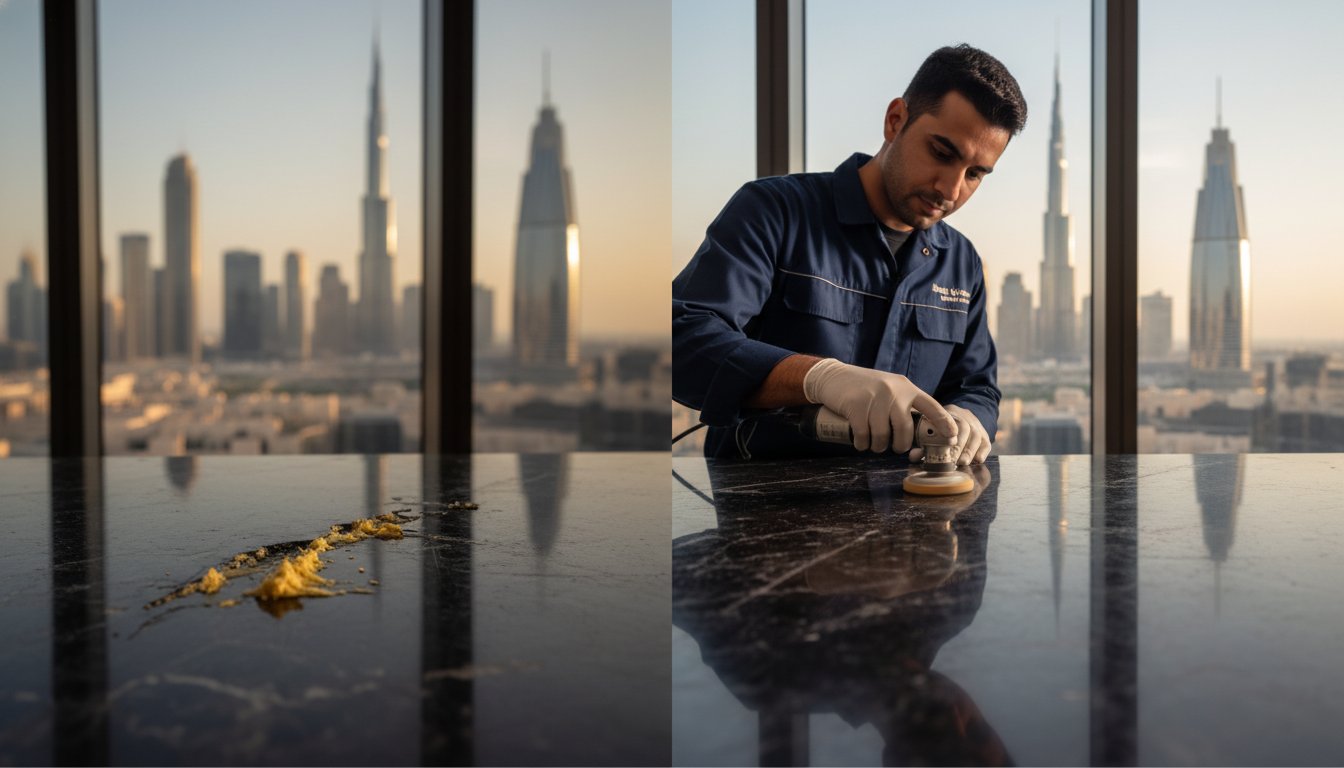
Attempting a quick fix on a damaged architectural surface isn’t just a simple weekend project; it’s a high-stakes gamble with your asset’s structural integrity. While 2026 data shows that two-thirds of homeowners are motivated by cost savings, the choice between professional surface repair vs diy often determines whether you actually protect your budget or inadvertently double your replacement costs. You’re likely facing a tight construction handover deadline or trying to avoid the massive expense of tearing out damaged materials. It’s stressful to see a premium finish compromised by a single deep scratch or impact chip.
This comparison guide will show you exactly when a retail repair kit is sufficient and when technical restoration is required to ensure long-term durability and a flawless aesthetic. We’ll examine the hidden costs of amateur rework, the chemical bonding processes unique to professional standards, and the specific scenarios where expert intervention is the only way to guarantee a permanent fix. Discover how to navigate these technical challenges to achieve a result that looks brand new while keeping your project on schedule and under budget.
Key Takeaways
- Understand the critical difference between superficial retail touch-ups and the technical chemical bonding used in professional restoration.
- Identify high-risk materials like glass and stainless steel where DIY attempts often lead to permanent surface ruin.
- Apply a strategic framework for professional surface repair vs diy to determine if damage is cosmetic or requires expert intervention.
- Learn how to achieve up to 80% cost savings by choosing specialized on-site repair over the total replacement of architectural assets.
- Discover the advanced methodologies used by master craftspeople to ensure perfect color matching and long-term durability in commercial settings.
Understanding Surface Damage: The Cost of the DIY Temptation
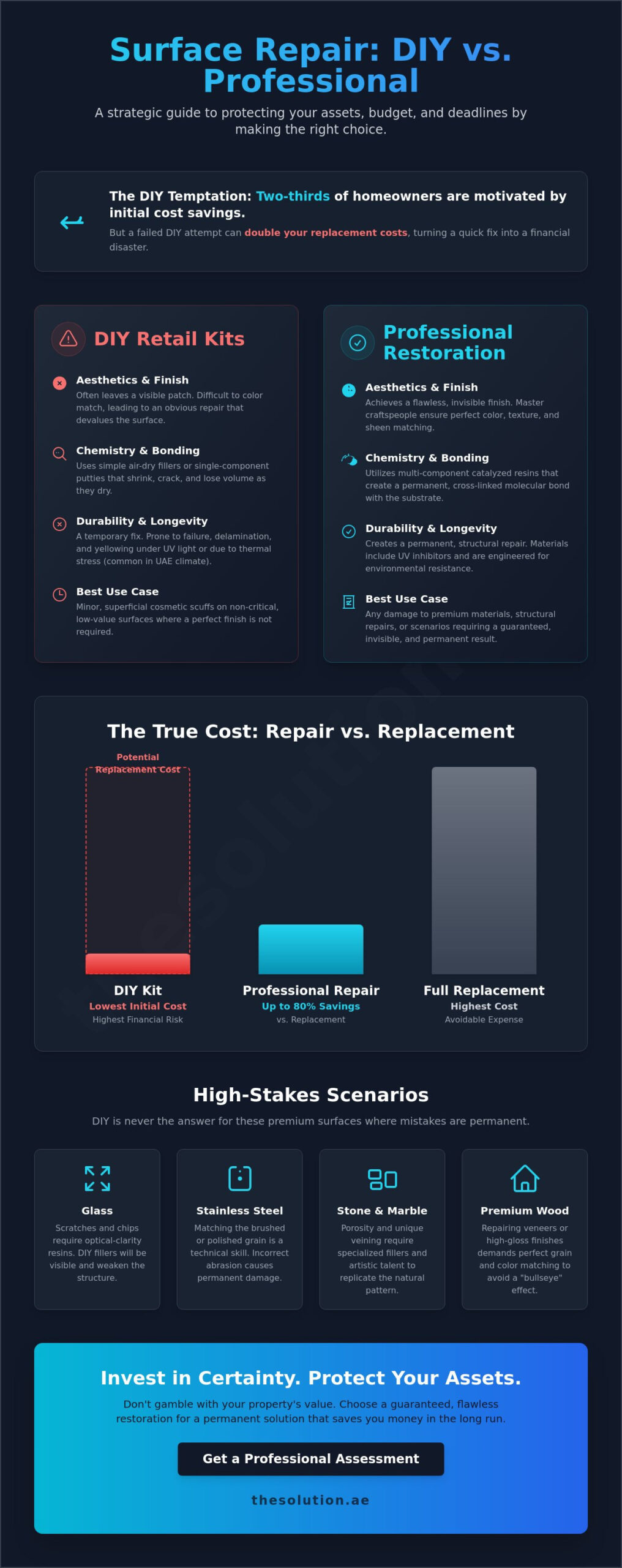
Professional surface repair isn’t a simple cosmetic touch-up; it’s a specialized restoration science. It involves complex chemical bonding and precision color matching rather than simply filling a gap with a generic putty. In early 2026, data from The Farnsworth Group indicates that over half of homeowners completed a DIY project in the last 90 days. While cost savings remain a major driver for two-thirds of these individuals, many now cite increased confidence in their abilities as a primary motivator. This shift often leads to a critical debate regarding “do it yourself” (DIY) projects versus professional intervention.
The problem arises when confidence exceeds technical capability. A retail kit might provide a temporary patch, but it lacks the chemical sophistication to create an invisible finish. A professional restoration is indistinguishable from the original material because it utilizes advanced resins and pigments that bond at a molecular level. When evaluating professional surface repair vs diy, the result is the ultimate metric. DIY attempts often leave behind an obvious patch that draws the eye directly to the damage. This aesthetic failure is more than just a visual nuisance; it significantly devalues the asset and can signal neglect to potential buyers or tenants. The financial logic is straightforward. A cheap DIY kit is a low-cost entry, but if it ruins a premium surface, the cost to replace that entire section could reach several thousand dollars.
The Psychology of the Quick Fix
Tight construction handover deadlines and upcoming property inspections often trigger a panic response. Property managers frequently turn to “YouTube University” for quick solutions on high-end materials. Retail repair kits are designed for immediate, temporary aesthetics. They don’t account for the long-term structural integrity of the fix. When a DIY patch fails during a critical inspection or starts to yellow after a few weeks, the resulting delay and rework are far more expensive than the original repair would’ve been. Professionals avoid these pitfalls by using industrial-grade materials that match the specific density and reflective properties of the original surface.
Common Surfaces at Risk in UAE Properties
UAE properties feature a diverse range of premium materials including stone, glass, stainless steel, and wood. The local climate presents unique challenges that many DIYers overlook. Extreme temperature fluctuations cause materials to expand and contract at different rates. Most retail adhesives cannot withstand this thermal stress, leading to delamination and failure within months. This is why hard surface repair has become an industry standard for commercial sectors in the region. Choosing professional surface repair vs diy ensures the restoration uses resins tailored for high-heat environments. It’s a strategic financial decision. Spending on technical expertise prevents the massive capital expenditure required for a full replacement later.
The Science of Professional Restoration vs. Retail Kits
The technical disparity between professional surface repair vs diy products begins at the molecular level. Most retail kits rely on air-dry fillers or single-component putties that lose volume through evaporation. This leads to shrinkage, cracking, and eventual delamination. In contrast, professional technicians utilize multi-component catalyzed resins. These materials undergo a chemical reaction that creates a cross-linked bond with the substrate, ensuring the repair becomes a structural part of the surface rather than a superficial patch. Homeowners frequently underestimate the final cost of professional work by overlooking the specialized chemistry required to achieve a permanent result.
Advanced Material Chemistry
Quality restoration requires more than just a strong bond; it demands environmental resistance. In high-exposure areas like Dubai, UV stability is a critical requirement for any repair material. Professional resins are engineered with UV inhibitors to prevent the yellowing or chalking that typically plagues DIY epoxy kits after just a few weeks of sunlight exposure. The process starts with precision cleaning using industrial degreasers and etching agents to ensure the bond integrity is absolute. Without this preparation, even the strongest adhesive will fail. If you are dealing with complex damage, our on-site surface damage repair services provide the technical grade materials necessary for long-term durability.
- Catalyzed Resins: Create a non-shrinking, permanent bond.
- UV Inhibitors: Protect against discoloration from intense solar radiation.
- Industrial Etching: Ensures molecular-level adhesion to the original material.
The Art of Invisible Color Matching
Achieving an invisible finish is a matter of physics and optics. Master craftspeople don’t just match a color; they replicate the grain, texture, and translucency of the material. Standard DIY kits offer a limited palette that rarely accounts for the natural variations found in premium stone or wood. Professional technicians undergo rigorous training and assessment standards to master the nuances of pigment blending. They must account for metamerism, which refers to the optical effect where two colors match under a specific light source but appear significantly different when the lighting conditions change.
Specialized tooling also separates professional results from amateur attempts. Restoring glass or stainless steel requires a specific sequence of abrasive pads and polishing compounds to match the original factory finish. A DIYer with a handheld drill often creates “haze” or heat distortion on glass, turning a minor scratch into a permanent focal point of damage. Professional technicians use high-torque, low-vibration machinery and precision depth gauges to remove damage without compromising the structural thickness of the material. This level of technical mastery ensures that the final restoration is indistinguishable from the surrounding surface.
DIY vs. Professional Surface Repair: A Comparative Framework
Deciding between professional surface repair vs diy requires a structured evaluation of the damage. It isn’t just a matter of immediate cost; it’s a calculation of long-term asset value. A minor scuff on a baseboard might be a candidate for a retail touch-up, but deep impacts on premium materials require technical intervention. Use the following framework to assess your specific situation:
- Severity of Damage: Surface scratches are often cosmetic. Deep chips, structural cracks, or damage to tempered glass require professional-grade resins and precision polishing.
- Material Value: If the replacement cost of the item exceeds $1,000, the risk of a botched DIY attempt outweighs the potential savings.
- Visibility and Lighting: Surfaces in high-traffic areas or under direct sunlight will expose the flaws of a DIY patch immediately.
- Lifespan Requirements: DIY kits are often temporary. Professional repairs utilize catalyzed resins designed to last the remaining life of the substrate.
Analyzing the total cost of ownership reveals a significant gap between these two approaches. While a DIY foundation crack kit might only cost between $50 and $150, the lack of professional expertise increases the risk of rework. Research indicates that hidden DIY costs often include specialized tools and potential damage to the surrounding area. In high-stakes scenarios, an amateur repair can void manufacturer warranties or lead to denied insurance claims. Choosing a professional service ensures the restoration meets industry standards, providing both financial protection and peace of mind.
Risk-Reward Analysis for Property Managers
For property managers, the stakes are exceptionally high. A failed DIY attempt on a visible surface can directly impact property valuation and rental yields. Inspections often reveal “obvious” patches, which signal a lack of maintenance to prospective tenants. When an amateur repair fails on a high-value fixture, it often voids the manufacturer’s warranty, leaving the owner responsible for a full replacement. Professional restoration avoids these liabilities by delivering a finish that is indistinguishable from the original material, maintaining the asset’s “as-new” status for handovers.
Sustainability: The Greener Choice
Repairing a surface instead of replacing it is a powerful environmental statement. Producing new glass, steel, or ceramic items requires significant energy and generates substantial carbon emissions. By opting for on-site restoration, you prevent bulky materials from entering UAE landfills and reduce the demand for new manufacturing. The Solution is committed to the circular economy in construction, focusing on technical mastery to extend the life of existing architectural assets. This approach doesn’t just save money; it aligns your project with modern sustainability goals by minimizing waste and preserving the energy already embedded in your building’s materials.
High-Stakes Scenarios: When DIY is Never the Answer
In commercial environments, certain architectural assets represent a “point of no return.” Choosing professional surface repair vs diy for these surfaces isn’t just about aesthetics; it’s about preventing permanent ruin. High-value materials like tempered glass and specialized alloys require a level of technical precision that retail products cannot provide. An amateur attempt on a high-stakes surface often results in damage that is far more expensive to correct than the original flaw. When you’re dealing with the structural or visual integrity of a building’s focal points, technical mastery is the only viable path.
Glass is perhaps the most sensitive material in this category. Professional glass polishing and restoration involves a multi-stage abrasive process to remove scratches without creating “lensing.” This optical distortion occurs when a DIYer applies uneven pressure, creating a magnifying effect that warps the view and compromises safety. Similarly, stainless steel finish restoration requires an exact match of the original grain. Using the wrong abrasive grade or direction results in cross-hatch scratching that destroys the reflective properties of the metal. In the case of ceramic and tile repair, retail fillers often contain chemicals that can etch the surrounding glaze, turning a small chip into a large, permanent blemish.
Commercial Glass and Elevator Restoration
Elevator cabins and lobby glazing are the first things guests see in luxury hospitality or corporate sectors. Scratched stainless steel or gouged glass panels immediately degrade a property’s professional image. DIY attempts in these areas are particularly risky because elevators require perfect grain matching to maintain their premium appearance. Professional technicians use specialized machinery to restore these surfaces on-site, ensuring the finish is indistinguishable from the factory original. For commercial assets that demand a flawless standard, our restoration experts deliver results that protect your brand’s reputation.
Construction Handover and Snagging Lists
The final weeks of a construction project are often defined by intense pressure and tight snagging lists. Liquidated damages for delayed handovers can reach thousands of dollars per day. In this high-stakes scenario, relying on unskilled labor to fix surface damage is a strategic error. UAE consultants and architects maintain rigorous standards for acceptance. A professional repair team provides the speed and volume required to clear complex snags across stone, wood, and metal surfaces simultaneously. This ensures the project meets the required specifications on the first inspection, avoiding the costly cycle of failed DIY patches and subsequent material replacements.
The Solution: Why Professional Repair is a Strategic Investment
Choosing professional surface repair vs diy isn’t just about fixing a visible scratch; it’s a strategic financial maneuver. For commercial asset managers in the UAE, the data is clear. Restoring a damaged surface typically results in an 80% cost saving compared to the total expenditure of a full replacement. The Solution positions itself as the region’s master craftsperson, delivering technical restoration that preserves the value of premium materials without the logistical nightmare of removal and reinstallation. We treat every project as an engineering challenge that requires precision chemistry and meticulous craftsmanship.
Our methodology focuses on on-site execution. This approach ensures minimal disruption to your daily operations or construction timelines. We eliminate the need for long lead times associated with ordering replacement parts from overseas manufacturers. Instead, our technicians restore the surface to its original specification in a single visit. This efficiency is vital for high-occupancy environments like hotels or corporate offices. To begin the process, we invite clients to submit photos of the damage. This allows our team to provide a pragmatic expert assessment and determine the exact technical requirements before we even arrive on-site.
Unrivaled Versatility in Materials
The Solution provides a comprehensive resource for any technical surface problem. We handle an exhaustive list of materials, ensuring that every architectural element receives expert care. Our capabilities include:
- Stainless steel finish restoration for elevators, cladding, and handrails.
- Glass polishing and restoration to remove deep scratches and chemical etching.
- Technical wood repair for premium doors, joinery, and furniture.
- Ceramic and tile repair to restore the integrity of bathroom and kitchen fixtures.
- On-site floor restoration and quality spray paint services for a factory-grade finish.
Having a single partner for all repair needs simplifies the procurement process for large-scale developments. Our portfolio includes references from high-profile UAE projects, where we’ve successfully cleared complex snagging lists under tight deadlines. This versatility ensures that every surface, from natural stone to engineered alloys, receives a consistent standard of excellence that meets the rigorous demands of the local market.
Your Next Steps for Flawless Surfaces
Early identification is the key to preventing minor issues from becoming structural failures. If you notice a chip in a ceramic tile or a scratch on a glass facade, address it immediately. Delaying restoration often leads to moisture ingress or further cracking, which can compromise the entire substrate. Our process is designed for maximum efficiency. Once you provide visual evidence of the damage, we assess the chemical requirements and dispatch a team equipped with the necessary catalyzed resins and precision tools.
Don’t let a botched amateur attempt lead to an expensive replacement. Professional restoration is the intelligent choice for maintaining asset value and achieving a sustainable, long-term fix. Request a professional assessment from The Solution today to restore your surfaces to their original, flawless condition.
Secure Your Asset Value with Technical Restoration
Navigating the choice between professional surface repair vs diy is ultimately a decision about long-term financial responsibility. This guide has detailed how specialized on-site restoration for all hard surfaces provides a superior alternative to the waste and high expense of replacement. While retail kits offer a temporary aesthetic patch, they lack the catalyzed resins and precision color matching required to achieve a permanent, invisible result. By choosing expert intervention, you ensure that your premium materials maintain their structural integrity and aesthetic appeal under the intense UAE sun.
Our methodology is trusted by leading construction and hospitality firms across the region to deliver significant cost savings compared to full item replacement. We focus on technical mastery to clear complex snagging lists and restore focal points like elevator doors and glass facades without disrupting your operations. It’s time to move beyond the risks of amateur rework and invest in a solution that guarantees durability. Save on replacement costs; get a professional repair quote today. Your surfaces can look as flawless as the day they were installed.
Frequently Asked Questions
Is it cheaper to repair a surface or replace it entirely?
Repairing a surface is almost always more cost-effective than a full replacement. Choosing technical restoration over replacement typically saves up to 80% of the total cost by eliminating the need for new material procurement and labor-intensive demolition. This financial advantage makes it a strategic choice for high-value architectural assets in both residential and commercial sectors.
Can you see the repair after a professional is finished?
A professional restoration should be virtually invisible to the naked eye. Technicians use precision color matching and account for optical factors like metamerism to ensure the fix blends perfectly with the surrounding material under all lighting conditions. The result is a seamless finish that maintains the aesthetic value and professional image of the original surface.
How long does a professional surface repair typically take?
Most on-site repairs are completed within a few hours to a single day. This is significantly faster than the weeks or months often required for ordering and installing replacement parts. The speed of professional surface repair vs diy attempts is a major factor for commercial sectors where minimizing operational downtime is a critical priority.
What happens if I try a DIY repair and it looks bad?
Failed DIY attempts usually require professional removal of the amateur filler or adhesive before a correct restoration can begin. This extra step adds time and complexity to the professional job. It’s often more efficient to call an expert first rather than risking permanent damage that could lead to a more expensive technical intervention later.
Are professional repairs as durable as the original surface?
Professional repairs are engineered to match the durability of the original substrate. By using catalyzed resins and industrial bonding agents, technicians create a structural fix that resists shrinking, cracking, and UV degradation. These restorations are designed to last for the remaining lifespan of the material, even in high-traffic or high-exposure environments.
Which surfaces are the most difficult for a DIYer to fix?
Glass and stainless steel are the most challenging materials for non-professionals to handle safely. DIYers often cause “lensing” on glass or destroy the directional grain on metal surfaces. These specific challenges require specialized machinery and a deep understanding of abrasive sequences to successfully restore a factory-grade finish without causing permanent ruin.
Does The Solution provide services for commercial construction handovers?
Yes, we specialize in high-volume snagging lists for commercial construction handovers across the UAE. Our teams work quickly to resolve surface damage across multiple materials, helping developers avoid liquidated damages. We ensure all repairs meet the rigorous acceptance standards of consultants and architects, facilitating a smooth project delivery.
Can deep scratches in glass really be removed without distorting the view?
Deep scratches can be removed from glass through a precise, multi-stage abrasive and polishing process. Technicians carefully feather out the edges of the repair area to prevent “lensing” or optical distortion. This technical mastery restores complete clarity and ensures the view remains undistorted while maintaining the structural thickness and safety of the glass panel.


